
Most organisations do not suffer from a lack of talent. They suffer from a lack of alignment.
Roles are defined once, then left static. People evolve. Priorities shift. What begins as a good fit gradually drifts into friction. Engagement drops, productivity follows, and retention risk increases. None of this happens overnight. It builds quietly.
Job crafting addresses that gap. It gives employees and managers a practical way to reshape work without restructuring roles or increasing headcount.
What is Job Crafting?
Job crafting is the process of actively adjusting aspects of a role to better align with an individual’s strengths, motivations, and working style.
It operates across three areas:
Task boundaries
What someone does, how they do it, and how much of it they take on.
Cognitive boundaries
How someone interprets their role and the meaning they attach to their work.
Relational boundaries
Who someone works with, and how those interactions are structured.
These shifts are usually small. Over time, they compound into meaningful changes in performance and engagement.
The Three Types of Job Crafting in Practice
1. Task Crafting: Reshaping the Work Itself
Employees adjust the scope, structure, or execution of their tasks.
This could involve:
- Taking on more work that plays to strengths
- Reducing or streamlining low-value tasks
- Changing how tasks are completed to improve efficiency
Example:
A marketing executive spends less time on manual reporting and more time on campaign strategy by automating data collection.
Business impact:
Higher productivity, better use of skill, reduced friction.
2. Cognitive Crafting: Changing How Work is Perceived
Employees reframe how they think about their role.
This is not superficial positivity. It is about linking daily work to meaningful outcomes.
Example:
A customer support agent shifts from viewing their role as handling complaints to solving problems that directly impact customer retention.
Business impact:
Higher resilience, improved engagement, lower burnout risk.
3. Relational Crafting: Adjusting Workplace Interactions
Employees shape who they interact with and how.
This includes:
- Building stronger working relationships
- Seeking out collaboration that adds value
- Reducing unproductive interactions
Example:
An analyst proactively works more closely with commercial teams to understand how their insights are used.
Business impact:
Stronger collaboration, faster decision-making, better alignment.
Why Job Crafting Matters for Employers
Job crafting is often positioned as an individual exercise. That misses the point. Its real value is organisational.
It reduces silent disengagement
Employees rarely disengage suddenly. It builds gradually through misalignment. Job crafting allows small corrections before the problem escalates.
It improves retention without increasing cost
Not all attrition is driven by salary. A large proportion comes down to poor role fit. Job crafting addresses that directly.
It increases performance through alignment
When people spend more time on work that suits them, output improves. This is not theoretical. It is operational.
It supports internal mobility without restructuring
Instead of redesigning roles from scratch, organisations can evolve them incrementally. This reduces disruption while improving fit.
It strengthens change readiness
Employees who are used to shaping their roles adapt more easily when structures shift. They are not dependent on fixed definitions of work.
The Underlying Mechanism: Demands and Resources
At its core, job crafting works because it rebalances two factors present in every role:
- Job demands: the effort required to perform the role
- Job resources: the support, autonomy, and tools available to meet those demands
When demands are high and resources are low, burnout risk increases. When resources increase, engagement follows.
Job crafting is one of the few ways employees can directly influence this balance without formal organisational change.
How to Implement Job Crafting in Practice
Job crafting should not be left as an abstract concept. It needs structure.
1. Identify high-value work
Start by isolating the tasks that create the most value for both the organisation and you professionally.
Ask:
- Which tasks drive the best business outcomes?
- Which of these tasks will help progress my career in a positive way?
- Which tasks feel most engaging?
2. Reduce or redesign low-value work
Not all tasks can be removed. Many can be improved.
Options include:
- Automating repetitive processes
- Breaking large tasks into smaller units
- Changing how tasks are approached
The goal here is reduction of friction, not avoiding tasks you don’t particularly enjoy or want to do.
3. Rebalance task variety
Too much repetition leads to disengagement. Too much variety leads to overload.
Find a workable mix. This is often overlooked and has a direct impact on performance consistency.
4. Reshape interactions
Examine where collaboration adds value and where it does not.
- Increase exposure to high-value stakeholders
- Reduce unnecessary touchpoints
- Strengthen relationships that improve outcomes
5. Reframe the role
Connect daily tasks to outcomes that matter.
This is not abstract. Make sure you are specific:
- Who benefits from the work?
- What changes because of it?
Clarity here will directly influence motivation later down the line.
What This Means for Leaders and HR Teams
Job crafting cannot sit solely with employees. It needs to be enabled.
Create controlled flexibility
Roles should have structure, but not rigidity. Define outcomes clearly, then allow flexibility in how they are achieved.
Train managers to support it
Managers need to:
- Recognise strengths and preferences
- Have structured conversations about role design
- Allow adjustment without losing accountability
Avoid unmanaged drift
Unstructured job crafting can lead to gaps and duplication.
Set boundaries:
- What must be delivered
- What can be shaped
Use data to guide decisions
This is where most organisations fall short. Job crafting without applying real-world data becomes guesswork.
The Role of Psychometrics in Job Crafting
Effective job crafting depends on accurate self-awareness.
Most employees operate on assumption:
- What they think they are good at
- What they think motivates them
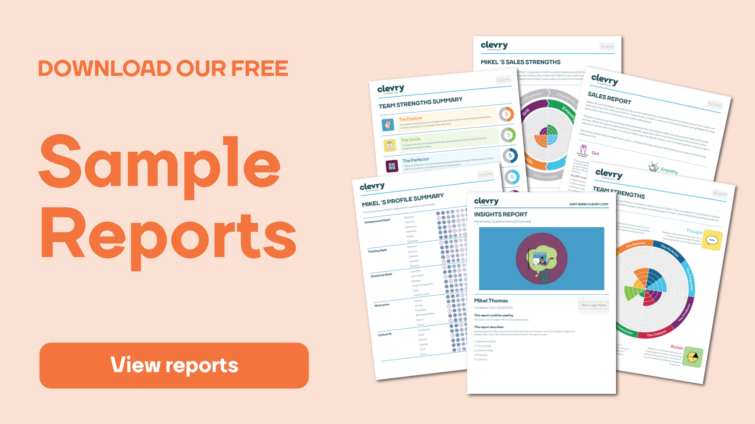
This is often incomplete or inaccurate. A good psychometric assessment replaces assumption with structured insight.
It provides clarity across areas such as:
- Interpersonal style
- Thinking style
- Emotional tendencies
- Motivational drivers
- Cultural preferences
This allows both employees and managers to make precise adjustments to roles, rather than broad or trial-and-error changes.
At scale, this becomes a system.
Instead of isolated individuals shaping their roles, organisations can:
- Align teams more effectively
- Improve manager decision-making
- Embed job crafting into performance and development processes
Final Thoughts
Many roles are treated as fixed. They are not.
Small, deliberate adjustments in how work is structured, perceived, and delivered can change how people perform within those roles. Over time, that shifts engagement, output, and retention. Job crafting provides a mechanism to do this without structural overhaul.
If you want to make job crafting practical across your organisation, it starts with better insight.
Clevry’s psychometric test platform gives you a structured view of how people think, work, and stay motivated. That insight allows managers to shape roles with precision rather than assumption.
Explore how we can help support smarter role alignment and more effective job design by booking a quick demo with the team.