Leadership hiring carries a different level of risk. When a senior appointment works well, the impact can be felt across performance, culture, decision-making and commercial direction. When it goes wrong, the cost is rarely limited to salary or recruitment spend. A poor leadership hire can affect morale, create strategic drift, weaken team confidence and slow progress at a critical time.
That is why leadership assessment should be more than an interview process supported by references and instinct. At senior level, organisations need better evidence. A leadership psychometric test can help hiring teams understand how a candidate is likely to think, lead, communicate, respond under pressure and adapt to complex demands.
Senior level and leadership psychometric assessment
Senior hiring is often shaped by reputation, track record and interview performance. These all matter, but they do not always reveal how someone will operate in your specific work environment.
A candidate may have delivered strong results in one organisation, but that does not automatically mean they will succeed in another. Different cultures, reporting lines, commercial pressures, team dynamics and stakeholder expectations can change the demands of the role.
Assessing your leadership candidates can help add structure to your decision. It gives hiring teams insight into the traits, abilities and working preferences that sit beneath experience. This can include areas such as problem-solving, emotional control, resilience, adaptability, judgement, collaboration, influence and learning orientation.
For senior roles, this insight is particularly valuable because the stakes are higher. Leadership candidates are not simply being assessed on whether they can do a set of tasks. They are being assessed on how they will make decisions, lead others, manage uncertainty and shape the organisation around them.
A good leadership report can help you move beyond polished interview answers and better understand how a candidate is likely to behave when the role becomes difficult.
How assessment helps at this level
At leadership level, interviews often focus on past experience. Candidates are asked about strategy, performance, transformation, people management and difficult decisions. Strong candidates usually know how to answer these questions well.
Assessment helps by adding another layer of evidence. It can show whether the candidate’s natural profile supports the demands of the role. For example, a high-level commercial role may require strong analytical ability, pace, confidence and resilience. A people-focused leadership role may require listening, emotional steadiness, empathy, influence and the ability to build trust across teams.
A psychometric test tailored specifically for leadership roles can also help identify potential risks. These are not reasons to automatically reject someone, but are areas to explore. A candidate may show strong drive but lower patience. They may be highly analytical but less comfortable with ambiguity. They may be confident and persuasive, but less naturally collaborative. They may thrive under pressure, but struggle to slow down and bring others with them.
These insights can help make your interviews more targeted. Rather than asking generic questions, hiring teams can explore the areas that matter most for that person and that role. This creates a stronger final-stage process and helps decision-makers compare candidates more fairly.
Assessment is also useful when hiring panels disagree. Senior hiring can involve multiple stakeholders, each with different priorities. Psychometric data gives the panel a shared language and a more objective reference point.
Clevry for board, leadership and high-level roles
Our assessment platform helps supports organisations who need a more rigorous approach to senior selection. It combines ability tests, personality questionnaires and psychometric reports to help hiring teams understand both capability and behavioural fit.
For board, leadership and high-level roles, this can be used to assess external candidates, internal successors or people moving into larger and more complex roles. The platform help you to look at the whole person, not just their CV or interview performance.
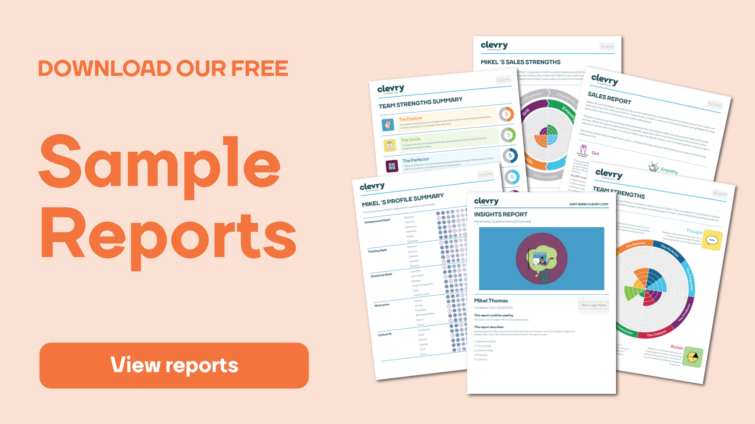
All our psychometric reports are designed to be clear and practical. They help hiring teams understand how a candidate may approach leadership, communication, decision-making, pressure and development. This makes assessment data easier to use in final interviews, stakeholder discussions and onboarding planning.
The platform can also support consistency across leadership hiring. Instead of relying on different processes for each senior appointment, organisations can build a more structured approach that aligns assessment with the role profile, competency framework and business priorities.
Validating final candidates and internal moves
Leadership assessment is particularly useful at the final stage of hiring. By this point, candidates are usually qualified, experienced and credible. The question is rarely “can they do the job?” The more important question is “which candidate is most likely to succeed here?”
A leadership psychometric test can help validate the final shortlist. It can highlight where a candidate is strongly aligned to the role, where further probing is needed and what support may help them succeed after appointment.
This same approach is valuable for internal moves. Promoting from within can reduce hiring costs, protect organisational knowledge and support retention. But internal promotion still carries risk. Someone who performs well in their current role may not automatically be ready for a broader leadership position.
Benefits of applying assessment to this level of hiring
Applying assessment to leadership hiring gives organisations several clear benefits.
- It reduces reliance on instinct alone. Senior stakeholders often have strong opinions, but confidence is not the same as evidence. Psychometric assessment helps balance human judgement with structured data.
- It improves interview quality. Reports can guide final-stage questions, helping panels explore specific strengths, risks and development areas.
- It supports better comparison between candidates. When everyone is assessed against the same role-relevant criteria, decisions become more consistent.
- It helps identify leadership risk before appointment. This gives organisations the chance to explore concerns, plan onboarding and avoid preventable surprises.
- It supports succession planning and internal mobility. Assessment can help reveal who has the potential to step up, and what development may be needed first.
- It also improves post-hire support. The same assessment insight used during selection can help shape onboarding, coaching and early leadership development.
Leadership hiring will always involve judgement. No assessment platform can remove every risk from a senior appointment. But it can make the decision better informed, more consistent and easier to defend.
At Clevry we’ve been helping organisations use leadership assessment to make stronger senior hiring decisions, validate final candidates and support high-level internal moves for over 30 years.
Try our assessment platform for yourself and see how it helps bring more evidence into your leadership hiring process.